Fire Hydrant Flow Testing: Where is the Water Going
By President Mark Davis
September 17, 2026
Fire hydrant flow testing plays a vital role in the design of fire protection systems. One challenge during this process is the release of chlorinated water into nearby waterways. In many regions, there is no set reportable quantity for chlorinated water; instead, the concentration of chlorine in the water determines whether a report must be made. Typically, water from fire hydrants contains chlorine levels between 0.2 mg/l and 0.4 mg/l. However, a concentration of 0.1 mg/l is often used as the threshold for reporting.
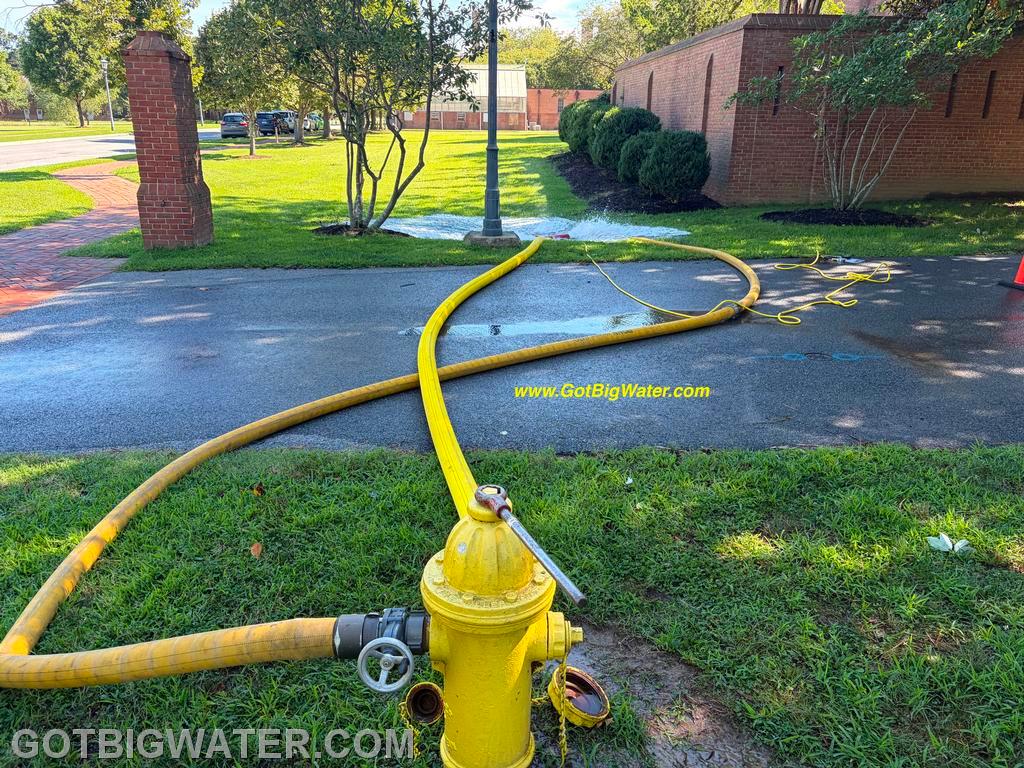
To address this, it is important to plan ahead for where water will be discharged during fire hydrant flow testing. This might include locations such as retention ponds, stormwater drains, or open fields, along with specific dechlorination procedures. At GBW Associates, LLC, all of our dechlorination procedures use dechlorination tablets. If there is any uncertainty about where the discharged water will end up, it is best to proceed with dechlorination.
Know where the water is going to go before you flow that fire hydrant.